

Introduction
If you want to choose between React, Vue and Angular it depends on your goals, what you prefer, and the needs of the project. If you want to make them popular in today’s modern world we know that each they have their own strengths and they are ideal in used cases.
React

The reaction developed by Facebook is a powerful library to create user interfaces. The react has a large community, a rich ecosystem, and is widely used in the industry, which means more job opportunities. It is flexible, but it also means that you have to rely on additional libraries for routing or state management.
Vue
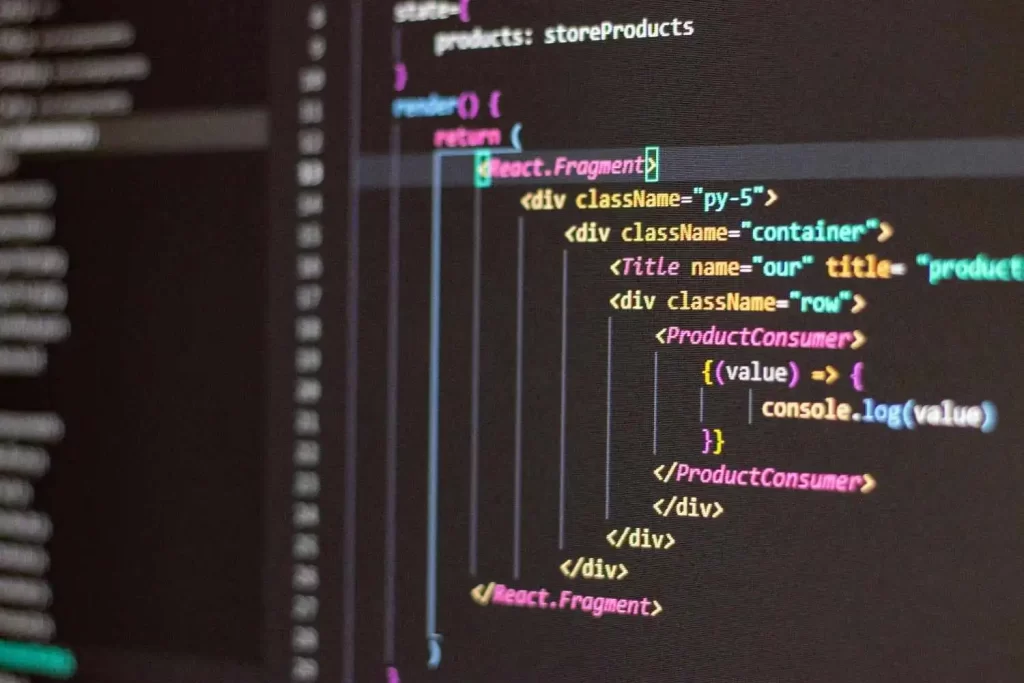
It is early-friendly and provides a simple learning curve. Vue combines the best features of the reaction and angular and is ideal for small to medium sized projects or when fast development is a priority. While the reaction is not as strong, however, the view still has a strong and developed community.
Angular

Angular, maintained by Google, is a comprehensive structure that offers everything outside the cs – writing, state management and form handling. However, there is an angular learning curve due to the use of typescript and complex structures.
Conclusion

If you want maximum relief and the possibility of a job, learn to react. If you are looking for a gentle introduction to the modern framework, try the vue. If you are creating enterprise-level applications and can handle complexity, angular is a solid choice. The best option is to eventually depend on what types of projects you want to create and your learning preferences.
Check Out Our Video
Faq’s
Q1. What is React?
Q2. What is Angular?
Q3. Do I need to learn TypeScript for React?
Q4. What is the Angular CLI?
Creating components, services, modules.
Building and serving projects.
Running tests and linting.
It saves time and enforces best practices.
Q5. What are the core concepts in Vue?
Vue Instance / Composition API / Options API
Directives:
v-if, v-for, v-model, v-bind, v-on.Reactivity:
ref(), reactive(), computed properties, watchers.Components: Building reusable parts of the UI.
Props & Events: Passing data between components.
Q6. What should I learn first in Vue?
Template syntax
Data binding (
{{ }} and v-model)Event handling (
@click)Basic component structure
Props and emits
Conditional rendering
Loops (
v-for)