
Table of Contents
Introduction

Big Data is the era in which businesses, governments, and individuals are generating a greater amount of information than ever before. Whether the data is in the form of transaction history, or through social media postings, or even user data such as information collected by IoT sensors and health records, the size of data is only going to grow. However, one easy task is to collect data and another is to keep it secure after some time. Solid policies and smart technologies that keep data accurate, secure, and accessible within the required time frame have proven to be good at effective data management.
Why Long-Term Data Management Matters

Information doesn’t last forever. Some information should only be kept secure for a short time, but some needs to be kept secure for decades due to regulatory or legal reasons or operational requirements. The consequences of inadequate data management can include data loss, breaches, compliance failures, and failure to gain data-driven insights. This is why a strategic approach is so important, as it requires striking a balance between storage costs, privacy issues, and accessibility.
Key Data Management Policies
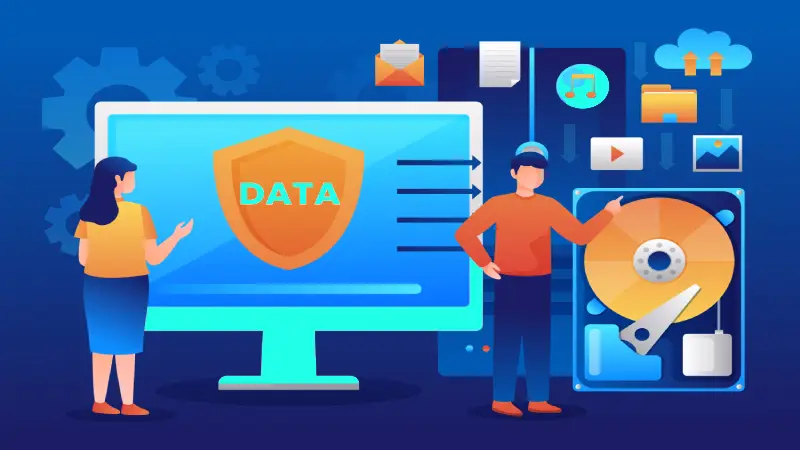
To manage the life cycle of data, organizations must establish data governance policies, including how data is collected, stored, used, and disposed of. Some of its pillars are:
Data Retention Policies
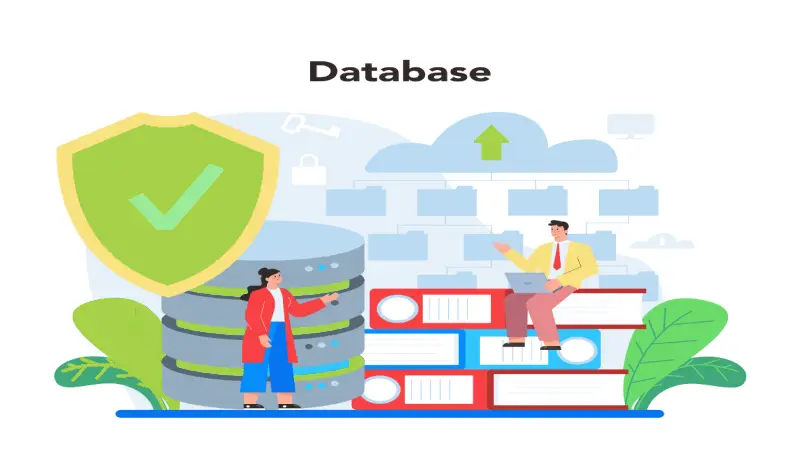
Such policies set retention periods for different types of data. For example, financial records may need to be stored for up to 7 years, while some customer data may be deleted when a user unsubscribes. A clear retention calendar allows for maximizing storage and guarantees compliance with regulations such as GDPR, HIPAA, or other industry requirements.
Access Control Policies

As data ages, its sensitivity may change. Access control policies determine who is, and who is not, allowed to view, edit, or delete data at various stages of its lifecycle. Traditional techniques for minimizing exposure of sensitive information include role-based access control (RBAC) and zero-trust architecture.
Data Archiving and Deletion

Not all data is in active use all the time. Storage policies create a situation where less frequently used data is moved to low-cost but long-term storage systems. In contrast, deletion policies securely remove data when it is no longer in use, thereby reducing risk and freeing up available resources.
Compliance and Audit Policies

Strict compliance is imperative in industries such as healthcare, finance, legal services, etc. There should be regular audits, documentation, and chain of custody to ensure that data management practices are in line with legal requirements.
Encryption and Security

Over time, data is becoming a major target for cyber attacks. Techniques such as end-to-end encryption, tokenization, and secure key management are essential to keep sensitive data secure throughout its lifetime.
Blockchain for Data Integrity

In an industry where data authentication is of utmost importance, blockchain provides a tamper-proof journal that records all changes made to any piece of data. This is especially useful in relation to legal, medical, and financial documents that need to be kept absolutely secure.
AI and Machine Learning

AI-powered tools can help classify data, identify data values that need to be archived, and identify anomalies or risks in older data sets. Compliance can also be supported by technologies that flag outdated or non-compliant data.
Conclusion
Managing data throughout its lifecycle is not just a technical issue, but also a strategy. Smart policies combined with relevant technologies can help organizations keep data an asset rather than a liability. As data becomes increasingly important and abundant, its smart management will create competitive and operational advantage.
FAQ’s
What is management of data over time?
Data management over time is the set of policies and technologies that enable an organization to retain and manage the data securely and cost-effectively for a certain period of time.
What is the relevance of data management policies?
Policies allow for data integrity, security, regulatory, and usage efficiency in time.
What are some technologies to assist with managing data over time?
Technologies range from cloud storage solutions, backup systems, data archiving solutions, AI-powered analytics solutions to database management solutions.
How do organisations achieve compliance with data management?
With appropriate retention policies, audit trails, encryption, and regulatory compliance models.
What are the obstacles in effective management of data long-term?
Issues such as data growth, security threats, accessibility, technology evolution, and cost considerations all pose challenges to the management of data.