Table of Contents
Introduction


Effective content marketing isn’t just about writing a great blog post or social media caption. To truly convert readers into customers, content must align with the buyer’s journey. This journey is often visualized as a funnel—broad at the top and narrow at the bottom—representing how people go from first discovering your brand to eventually making a purchase. Each stage of the funnel requires a different type of content, tone, and strategy.
As a writer, understanding how to tailor your content to each stage of the marketing funnel—awareness, consideration, and decision—can dramatically improve your impact and results.
Top of Funnel (TOFU): Awareness Stage
At the top of the funnel, your audience is just beginning to realize they have a problem or need. They may not know much about your brand or even the kind of solution they’re looking for. This is your opportunity to educate, inform, and grab attention without pushing a hard sell.
TOFU content should focus on broad topics related to your industry or niche. Blog posts, social media content, info graphics, educational videos, and how-to guides work well here. Your goal is to attract as many relevant people as possible and position your brand as a trustworthy source of information.
When writing for this stage, keep the tone light, helpful, and approachable. Avoid technical jargon or sales-heavy language. Instead, aim to answer common questions or offer simple tips that help solve small problems. Think of this stage as the handshake before the conversation.
For example, a fitness brand might publish a blog post titled, “10 Easy Exercises You can do at Home without Equipment.” It’s not selling a product—it’s solving a problem and building trust.
Middle of Funnel (MOFU): Consideration Stage

Your job as a writer is to help them see why your brand is a strong choice.
MOFU content should dive deeper into topics and introduce your product or service as a potential solution—without coming across as too promotional. This is the stage for case studies, product comparisons, detailed blog posts, email newsletters, webinars, and gated content like eBooks or checklists.
Your writing here should be more structured, detailed, and value-driven. Address specific pain points and explain how your offerings help solve them. You can begin to introduce features, customer success stories, or expert insights that show why your brand stands out.
Let’s go back to the fitness brand example. A piece of MOFU content might be, “How our 30-Day Challenge Helps Busy People get fit at Home.” Now you’re gently guiding the reader toward your specific solution while still focusing on their needs.
Bottom of Funnel (BOFU): Decision Stage
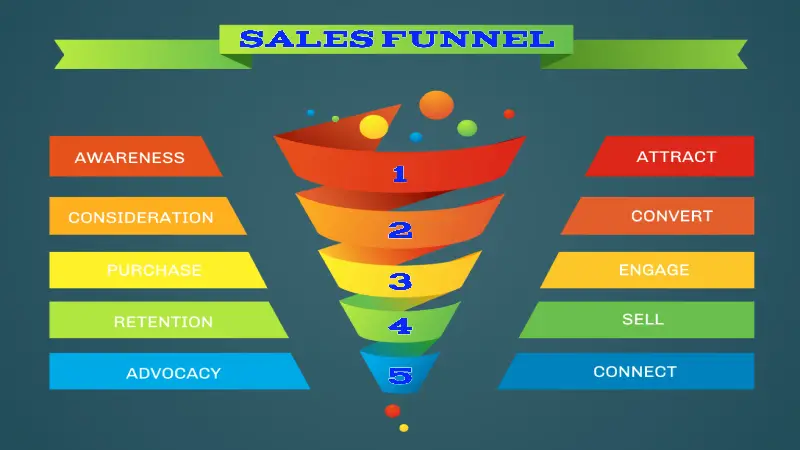
They know their problem, have evaluated their options, and now just need the final nudge to convert. These pieces are designed to overcome any last-minute objections and reassure the customer that they’re making the right choice.
When writing for this stage, your tone should be confident, clear, and focused on outcomes. Highlight benefits, showcase real results, and provide social proof. Use language that builds urgency and reinforces trust.
For our fitness brand, BOFU content might be a landing page offering a free one-week trial of a premium workout plan, along with before-and-after photos and quotes from satisfied users. At this point, you’re no longer just informing—you’re inviting.
Don’t Forget Post-Purchase Content

Many writers overlook what happens after someone becomes a customer. But post-purchase content is essential for building loyalty, encouraging repeat business, and generating referrals. This includes on boarding guides, helpful blog posts, user tips, loyalty emails, and surveys.
Your tone should shift to being supportive and community-focused. Make your customer feel valued and empowered, and continue offering useful content to help them get the most from your product or service.
Conclusion

Writing for the marketing funnel means meeting people where they are—emotionally, mentally, and behaviourally. At the top, you’re sparking curiosity and offering value. In the middle, you’re building credibility and positioning your brand. And after the sale, you’re creating long-term relationships.
As a content writer, this approach makes your work more strategic, more impactful, and more aligned with real business goals.
FAQ’s
What is marketing funnel in content writing?
A marketing funnel is a way of explaining the steps involved in the buying process of a customer such as awareness, consideration, and decision to making a purchase.
Why is it important to write different content at each of the stages?
Each stage requires different information; therefore, the customers require education in awareness, comparisons in consideration, and trust-building content in decision-making.
Which content should be the most effective in the awareness phase?
The blog posts, social media content, and infographics are effective in attracting attention and educating.
What does your decision stage content writing entail?
Develop trust and help drive conversions using use case studies, testimonials and product centric content.
Is it possible to use one piece of content through all funnel stages?
Not efficiently- customization of content to each phase brings more interaction and increased conversion.