

Table of Contents
Introduction

The Content Balance Every Marketer Needs too much promotion can turn off your audience, while being overly educational may not drive conversions. A strategic mix ensures you build trust, provide value, and still promote your products or services effectively.
The Purpose of Informative Content

It often takes the form of blog posts, how-to guides, infographics, webinars, or explainer videos. This type of content positions your brand as a thought leader and builds credibility. When people find useful information on your platform, they are more likely to trust your brand and return for more insights.
Promotional Content and Its Importance

Promotional content focuses on showcasing your products, services, or special offers. Examples include product announcements, advertisements, landing pages, and sales emails. While it’s critical for driving revenue, over-reliance on promotional content can make your marketing feel pushy or sales-driven. The key is to promote while still adding value to your audience’s experience.
The 80/20 Rule for Content Strategy
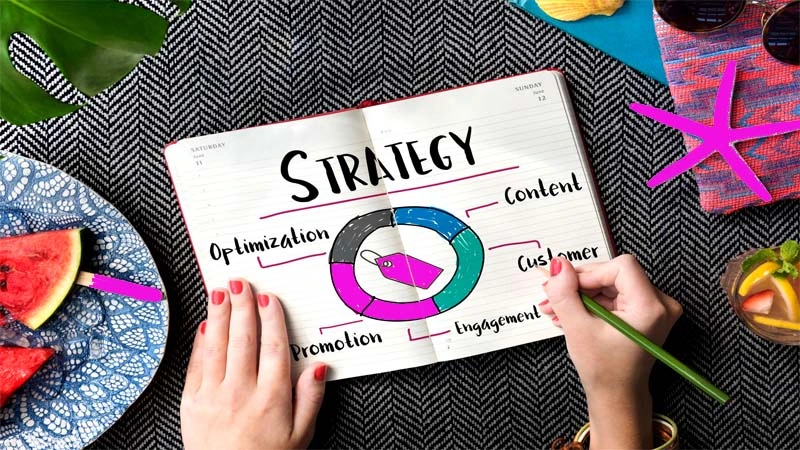
A common rule marketers follow is the 80/20 rule—80% informative or value-based content and 20% promotional content. This ratio keeps your audience engaged without overwhelming them with sales messages. By offering value most of the time, you earn the right to promote occasionally, and your promotional content will likely be received more positively.
Educate First, Then Offer

One effective strategy is to lead with informative content and follow up with a promotional call-to-action. For instance, a blog post explaining the benefits of email marketing can end with a soft promotion of your company’s email automation tool. This approach builds understanding and interest before presenting your solution, making it feel more relevant and less forced.
Storytelling as a Bridge
Storytelling is a powerful way to blend informative and promotional content. Sharing customer success stories, behind-the-scenes company stories, or founder journeys can educate while subtly promoting your brand values or offerings. Story-driven content makes promotions feel more authentic and emotionally engaging, leading to better audience connection.
Using Social Media to Balance Content
Social media is an ideal platform to test different content formats and messages. You can post educational reels, industry tips, customer testimonials, and promotional posts in rotation. Use platform-specific features—like Instagram Stories for quick offers and carousel posts for tutorials—to maintain variety and balance in your content schedule.
Email Marketing with a Balanced Approach

Too many promotional emails may lead to unsubscribes, while overly generic content might not convert. A good practice is to alternate between informative newsletters and special offers. Adding value through curated articles, insider tips, or exclusive insights makes recipients more receptive to occasional promotions.
Measure What Matters

Tracking engagement metrics like click-through rates, bounce rates, time on page, and conversion rates can help determine if you’re achieving the right balance. If users are leaving your site quickly or unsubscribing from emails, your content might be too promotional. On the other hand, if your informative content isn’t leading to conversions, you may need stronger calls to action.
Repurposing Content for Balance

Repurposing is a smart way to create balanced content efficiently. For example, turn a long-form blog post into several short social media tips, or convert a customer review into a case study. This helps spread both informative and promotional messages across different formats and platforms, making your marketing more dynamic and consistent.
Build Trust First, Sales Will Follow

In the digital space, consumers are bombarded with promotional messages. Brands that take the time to educate, inform, and truly help their audience stand out. When users trust your content, they are more open to your offers. A content strategy focused on long-term relationships rather than quick wins will yield better results over time.
Conclusion: The Art of Content Balance
Balancing informative and promotional content is both a science and an art. By focusing on helpful, educational content while weaving in well-timed promotions, businesses can build trust, strengthen brand authority, and drive meaningful engagement. In today’s competitive digital world, achieving this balance is key to lasting success.
FAQ’s
What is the meaning of a balanced informative and promotional content?
It involves coming up with content that informs and adds value to your readers in addition to making subtle marketing of products or services.
What is the point of balancing content in digital marketing?
As excessive promotion seems pushy, and informative content can do nothing to sell. There is balance which means trust and conversions.
What is content marketing 80/20 rule?
It recommends that 80 percent of the content should be information/educative and 20 percent could be promotional.
Does informative content sell a brand indirectly?
Yes, informative content that people find valuable also makes your brand an authority, which increases trust and brand image indirectly.
What is informative vs. promotional content?
Informative: blogs, how-to manuals, tutorials, case-studies.
Promotional: advertisements, deals, product promotions, sales promotions.